Meta has launched its personal AI agent, Muse, in the UK for users aged 18 and older. Available on iOS, Android, WhatsApp, and the web, Muse can assist with tasks such as booking travel, managing calendars, and negotiating refunds, all with user approval.
Muse Operates on a Dedicated Cloud Model
Muse is powered by Muse Spark, the first model from Meta Superintelligence Labs designed for agentic tasks. Unlike traditional chatbots, Muse functions as a virtual computer in the cloud, ensuring that each user’s information remains isolated from Meta’s other services. The agent requires explicit user consent before performing actions like sending emails or making purchases.
Features and Integrations of Muse
Users can engage with Muse without any technical setup. The agent can handle various tasks, from sending emails to managing complex goals like selling a car. Muse continues working on tasks even after the app is closed, returning when user input is needed.
Payments are processed through Link by Stripe, which creates a one-time digital card for transactions, or through Shop Pay at participating stores. Muse can also make proactive suggestions based on user preferences, such as proposing dinner menus. Users can customize how often they receive these suggestions or disable them altogether.
Each Muse can be personalized with a name, appearance, and personality. The agent’s memory is consistent across different platforms, and users can manage tasks in separate threads. Muse also features a voice interface with various accents for real-time interaction.
The launch includes integrations with UK retailers and services, allowing users to link accounts with brands like Marks & Spencer, Sainsbury’s, and easyJet. This functionality enables Muse to reorder items or access bookings directly. Future plans include integrating PayPal, giving users control over which services are connected.
Implications for Businesses and Users
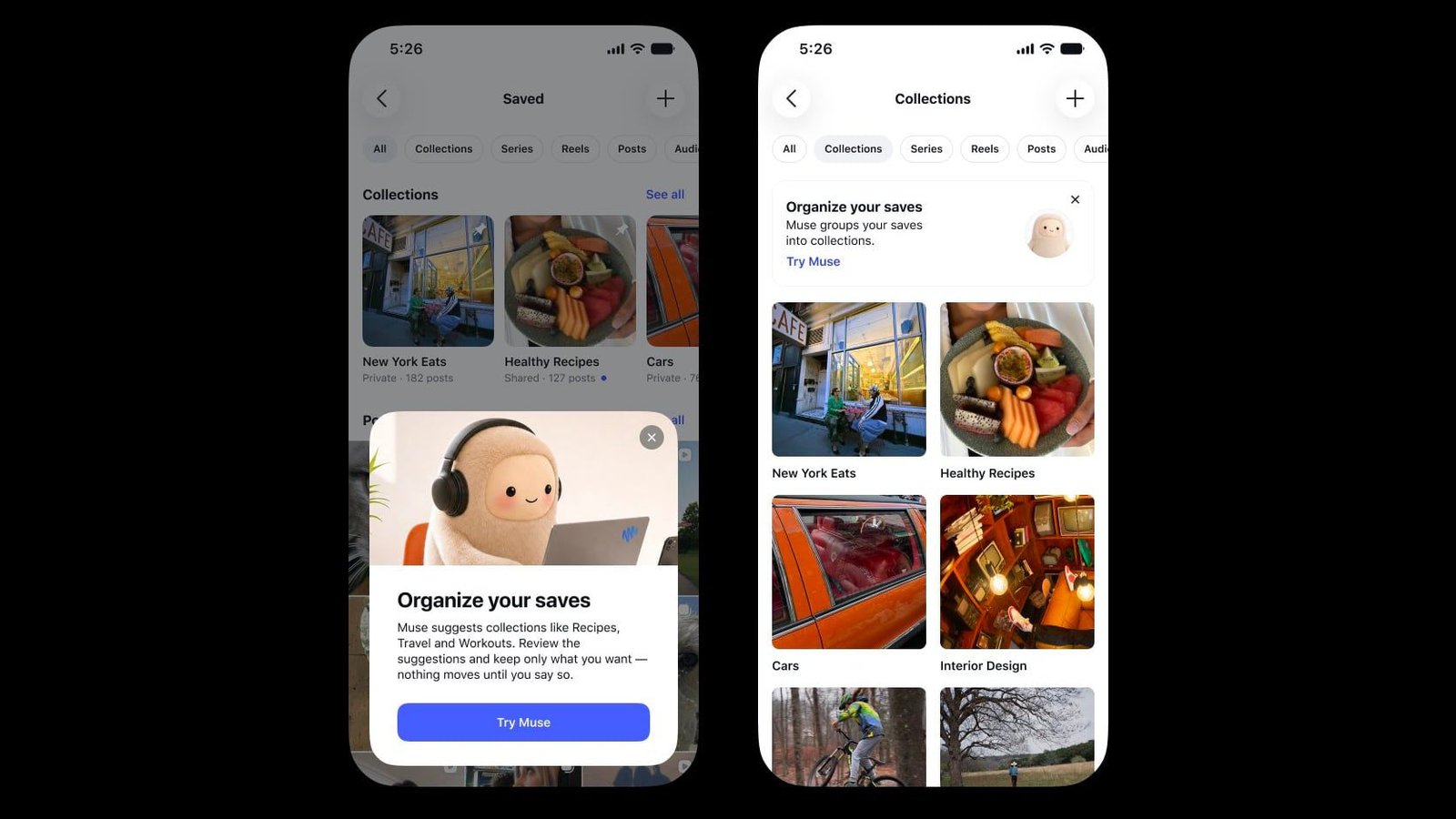
Muse represents a shift from reactive AI assistants to proactive task execution. This change can benefit marketing teams by enabling them to convert saved content into actionable lists or coordinate logistics. HR and operations managers can utilize Muse to maintain context across sessions, which is particularly useful for managing recurring tasks.
As the AI landscape evolves, professionals interested in enhancing their skills with agent-based tools can explore AI Agent Courses to understand how these systems can integrate into existing workflows.