
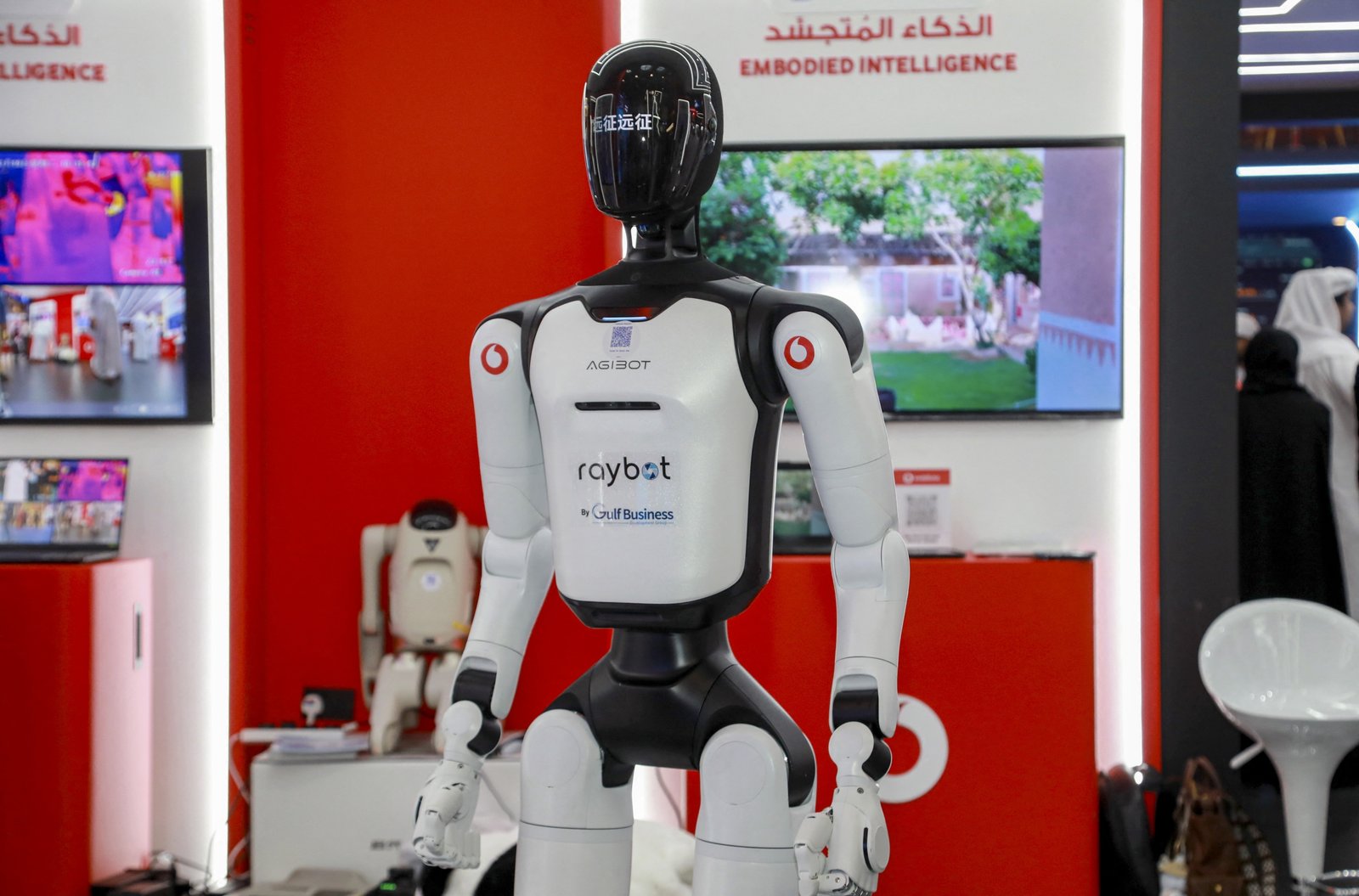
Artificial intelligence is reshaping logistics through the integration of AI-powered robotics in supply chain management. Companies are increasingly adopting these technologies to enhance efficiency, reduce manual labor, and ensure precise operations across warehouses and transportation networks.
DHL Tests Adaptive AI-Powered Robotics in Warehouses
DHL Supply Chain is implementing adaptive AI-powered robots and AI orchestration within its warehouse operations. This initiative is part of the company’s Intelligent Supply Chain framework, which aims to coordinate robotics, artificial intelligence, and human workers across its global logistics network. Unlike traditional robots that follow fixed instructions, these adaptive robots can interpret changing conditions and modify their actions to meet specific objectives.
Following a successful proof of concept, DHL has begun integrating orchestration technology into operational warehouses. One application combines autonomous mobile robots, packaging equipment, and warehouse management systems to dynamically allocate resources based on fluctuating order volumes. Tim Tetzlaff, global head of digital transformation at DHL Supply Chain, emphasized the goal of scaling proven robotics across more sites while advancing adaptive robotics from pilot phases to active operations.
AI Enhances Warehouse Operations and Inventory Management
AI-powered robotics streamline various warehouse processes, including product transportation, picking, sorting, and packaging. Autonomous mobile robots (AMRs) are utilized to move products between different areas, employing sensors and intelligent navigation to avoid obstacles. Robotic arms equipped with computer vision can identify products by their shapes and sizes, allowing human workers to focus on tasks requiring judgment rather than repetitive actions.
Accurate inventory management is crucial for effective supply chain operations. AI assists businesses in monitoring stock levels, identifying discrepancies, and optimizing resource allocation. AI-powered cameras and scanning systems update inventory records, while machine learning analyzes historical data to forecast demand and prevent overstock or shortages.
DHL has deployed over 9,000 robots globally, achieving more than 1.5 billion robotic picks and 10 million robotic case unloads using Boston Dynamics’ Stretch robot. The company reports that over 95 percent of its warehouses utilize advanced digital technologies, highlighting a significant shift towards automation in logistics.
Background on AI in Supply Chain Management
Artificial intelligence in supply chain management encompasses various technologies, including machine learning, computer vision, and the Internet of Things (IoT). These technologies enable automated systems to process information, recognize objects, and adapt to changing environments. The integration of AI and robotics is transforming logistics by enhancing operational flexibility and improving productivity while maintaining human oversight in decision-making processes.
DHL’s focus on combining adaptive robotics with AI orchestration aims to create a more efficient and resilient supply chain. The company acknowledges the importance of human expertise in its automation strategy, ensuring that employees remain integral to operations while robots handle more physically demanding tasks.
As AI technology continues to evolve, businesses in the logistics sector are likely to see further advancements in automation, with a focus on improving overall supply chain efficiency.