Iran has intensified its attacks on tankers in the Strait of Hormuz, significantly impacting oil traffic through this crucial maritime route. The Iranian Foreign Ministry spokesperson, Esmaeil Baghaei, stated that Iran will confront the US naval blockade using “all available means,” emphasizing that the country will not tolerate the blockade. This blockade, initially imposed in April, was lifted briefly in June but reinstated after a subsequent agreement fell apart.
Increased Attacks on Tankers and Economic Impact
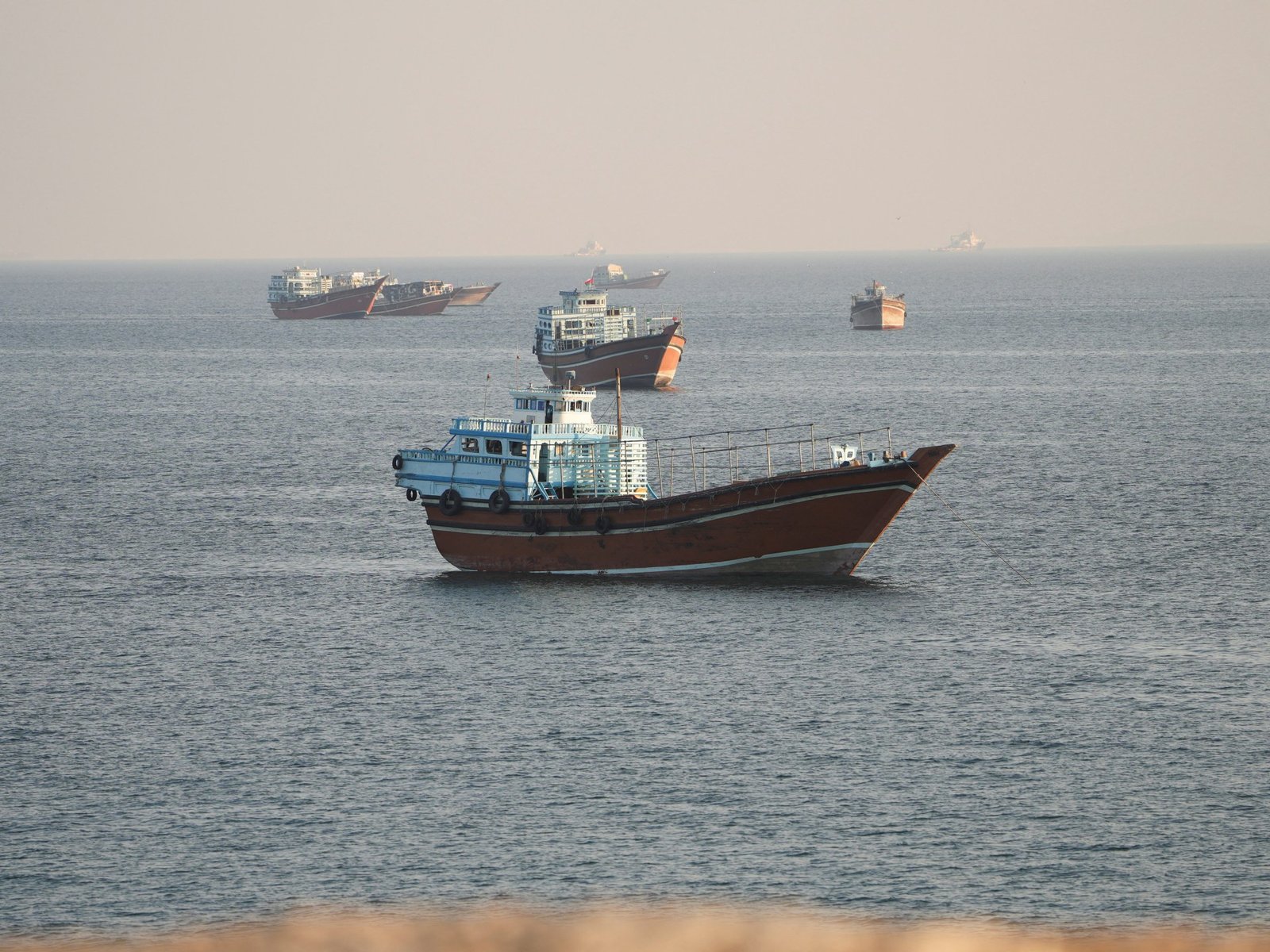
As Iran’s economy faces pressure from US-led sanctions, attacks on tankers have surged, contributing to a global energy crisis. Over the past week, more than 25 tankers have reportedly been struck, with some catching fire after hitting naval mines believed to be laid by Iran. Despite the dangers, vessels continue to traverse the strait, often navigating in darkness and disabling their transponders to evade detection by Iranian authorities.
On Tuesday, Iran’s navy reported that two oil tankers had caught fire after entering a restricted area of the strait while operating without navigation systems. The Iranian government has stated that the strait will remain closed until its demands, including the lifting of sanctions and the cessation of hostilities, are met. Iranian officials have warned tanker owners to coordinate with the military for safe passage.
Military Stance and Oil Prices
Iranian military leaders, including Army Commander Amir Hatami, have called for stricter control over the Strait of Hormuz, asserting that conditions for foreign vessels must be made more challenging. The head of the Islamic Revolutionary Guard Corps’ navy, Ali Ozmaei, cautioned against using unauthorized shipping routes in the area.
Despite the heightened tensions and attacks, oil prices have decreased, with Brent crude futures currently at USD 88.35 per barrel, down from over USD 120 per barrel earlier. In the last 24 hours, 28 ships have crossed the strait, carrying an estimated 4.18 million barrels of oil, although this figure may not accurately reflect total traffic due to the limitations of tracking systems.
Iran has also targeted US bases in the Gulf, further escalating regional tensions. US President Donald Trump remarked that Iran had launched a significant number of drones and missiles recently, although all were intercepted without causing damage. Additionally, US Central Command has warned that vessels receiving cargo from Iranian ports may be seen as evading the blockade, complicating Iran’s ability to trade its oil.
Background on the Strait of Hormuz
The Strait of Hormuz is a vital waterway for global oil transport, with a significant portion of the world’s oil supply passing through it. The region has been a focal point of geopolitical tensions, particularly between Iran and the United States, affecting international shipping and oil markets.