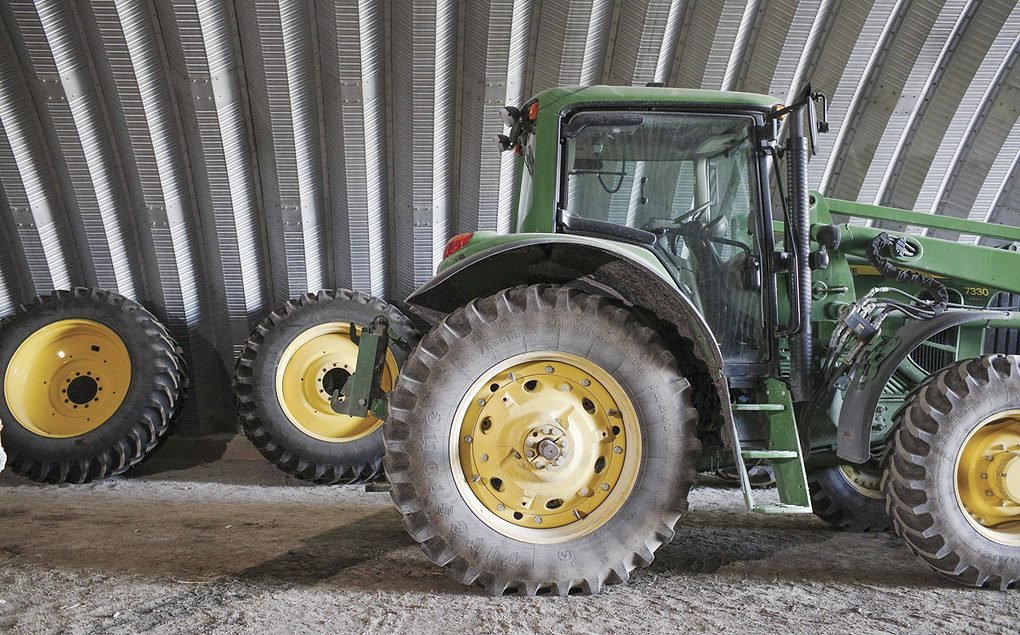
Farmers can enhance the performance of agricultural tires by adjusting tire pressure according to varying conditions, according to industry insights. Tire pressure should not be static, as it must adapt to the load and speed of the equipment, particularly during transitions between fields and roads.
A Central Tire Inflation System Offers Convenience
A Central Tire Inflation System (CTIS) allows farmers to adjust tire pressure from the cab of their equipment, making it easier to optimize performance without manual intervention. This system is particularly beneficial during busy seasons, such as fall fieldwork and harvest, when equipment frequently shifts between different working conditions. Proper tire inflation can lead to improved traction, reduced slip, and better management of soil compaction.
Understanding Tire Construction and Pressure Management
The construction of tires plays a critical role in how they respond to inflation pressure changes. For example, radial tires are designed to flex, creating a larger contact area with the ground, which enhances performance. Technologies like Increased Flexion and Very High Flexion allow tires to support heavier loads at lower pressures. However, while CTIS facilitates easier pressure adjustments, farmers must still adhere to the tire’s load and inflation recommendations to ensure optimal performance.
Background on Tire Pressure Recommendations
Correct tire pressure is essential for safety and performance in both agricultural and automotive contexts. In vehicles, the recommended pressure is typically found on a placard inside the driver’s door, rather than on the tire itself, which usually indicates maximum pressure. Proper inflation is crucial to prevent issues such as blowouts or uneven tire wear.
Farmers evaluating CTIS technology should assess their current tire capabilities and the specific loads their equipment carries. Understanding these factors can help determine whether implementing a CTIS would simplify tire management during varied operating conditions.
Farmers should be aware that tire pressure may need to change as working conditions evolve, emphasizing the importance of proper tire management.